

Yes, you should change the locks on your house when you move in. Whether you are buying or renting, the previous occupants, their family members, contractors, and real estate agents may all hold copies of the existing keys. Changing the locks removes that uncertainty entirely.
This guide covers why it matters, what your options are, how many locks to address, and when to call a professional locksmith.
Should You Change the Locks When You Buy or Rent a House?
When you receive the keys to a new home, you have no reliable way of knowing how many copies exist or who holds them. Former owners, old tenants, neighbours, cleaners, tradies, and property managers may all have had access at some point.
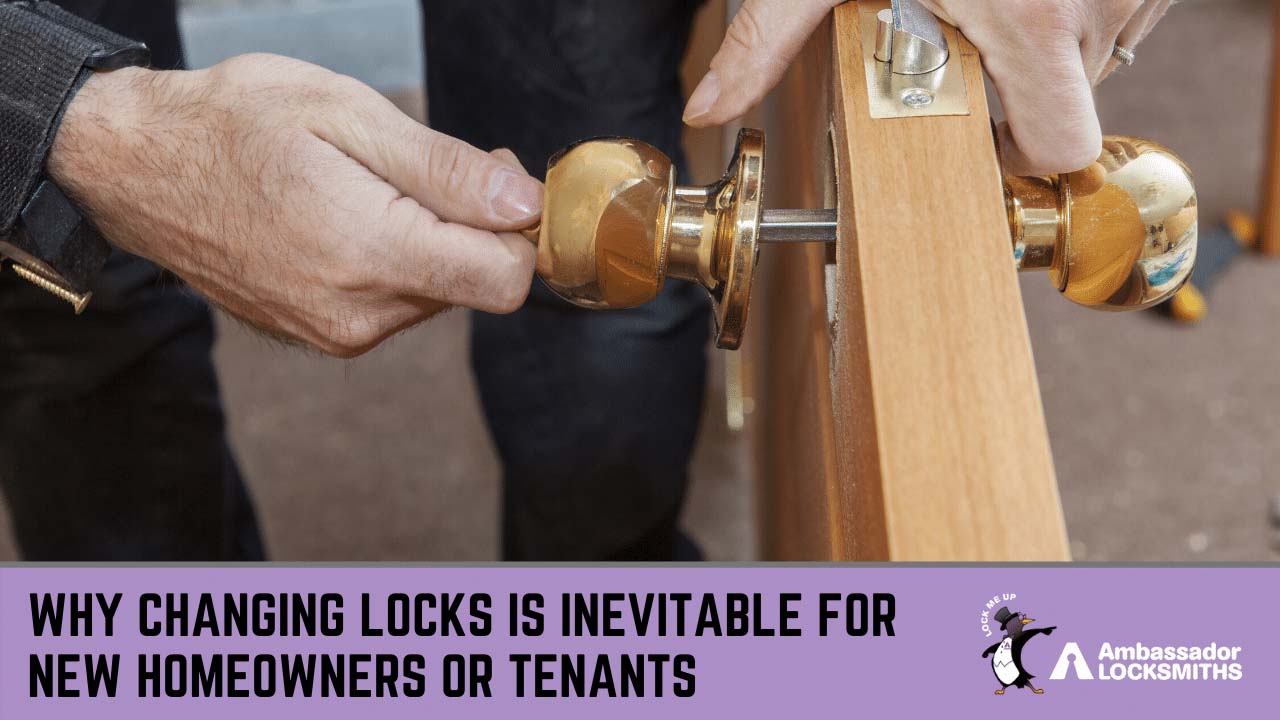
Consider this: 38 per cent of Australians permanently lose at least one item every year, and house keys are among the most commonly misplaced. If a previous occupant lost a key to your property, that key is unaccounted for. Someone could use it without any sign of forced entry.
That last point has a direct consequence for your home insurance. If a theft occurs and your insurer sees no evidence of forced entry, they may question whether adequate security was maintained. Changing your locks as soon as you move in closes that gap before a claim ever becomes necessary.
For renters, the situation is essentially the same. You will need to discuss the change with your landlord, but most landlords have a direct interest in keeping the property secure, and many will support or arrange the change themselves.
How to Change Locks on a New House: Rekey or Replace
When it comes to updating your door security, you have two main options: rekeying the existing locks or replacing them entirely. The right choice depends on the condition of your current locks and your specific security goals.
| Option | What it involves | Best suited for | Key advantage |
| Rekeying | A locksmith adjusts the internal tumblers so old keys no longer work | Locks in good working condition | Lower cost; can consolidate to one key for all doors |
| Full replacement | The entire lock mechanism is removed and a new one installed | Damaged, outdated, or compromised locks | Allows you to upgrade the lock grade and personalise the style |

Rekeying is the less disruptive option. A locksmith reconfigures the internal tumblers so that existing keys no longer operate the lock. No hardware is removed from the door. This approach is particularly useful if you want a single key to open every door in your home, or if you are a landlord changing access between tenants.
Rekeying also makes any previously held key immediately useless, which directly addresses the duplicate-key risk described above.
For a more detailed breakdown of how these two approaches compare in practice, the rekeying versus full lock replacement decision depends on factors like lock age, damage, and your preferred hardware grade.
Full lock replacement makes sense when the existing lock is faulty, visibly damaged, or of a low security grade. A compromised lock can be forced open more easily, making it a single weak point in your home’s security.
Replacing it also gives you the opportunity to choose a lock that suits your accessibility needs, preferred style, and door configuration.
How Many Locks Should You Change When Moving In
Every entry point that uses the old key system is a potential risk. As a practical minimum, cover the following:
- Front door (primary entry, highest priority)
- Back door and side doors
- Garage door, if it has a keyed lock or connects to the interior
- Security screen doors, which often have a separate lock cylinder
- Any shared gate or outbuilding that uses the same key as the house
Before calling a locksmith, count the exact number of locks you want addressed and note any relevant details, such as the brand, whether the lock is a deadbolt or a knob set, and whether screens are involved. This allows the locksmith to prepare parts in advance, which reduces both the time on-site and the likelihood of a return visit.
If your new house is brand new and part of a gated development, speak to the developer first. Many new builds operate on a master key system used by subcontractors during construction. The developer may need to be involved in removing or transitioning that system before a locksmith can proceed.
When to Hire a Professional Locksmith
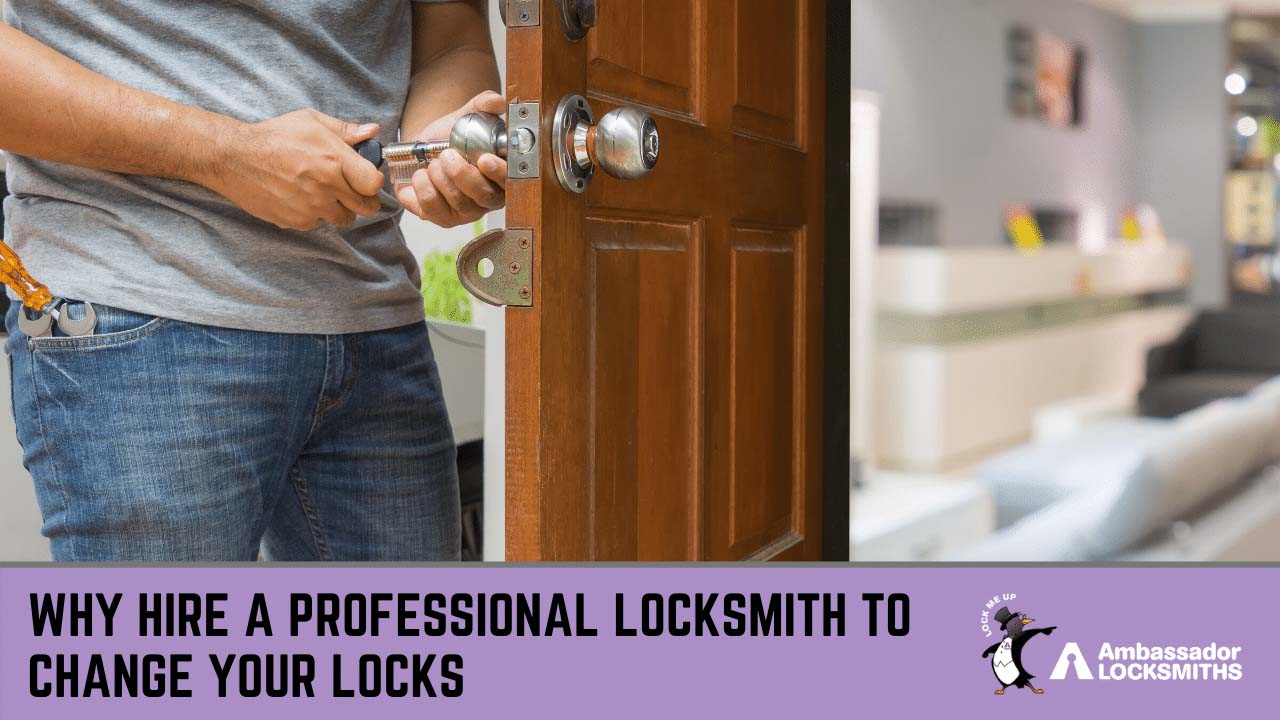
Changing a lock is not a complex job for someone with experience, but for most homeowners it is worth hiring a professional. A licensed locksmith will complete the work without damaging the door frame, strike plate, or existing hardware.
They can also assess whether a rekey is sufficient or whether a full replacement is warranted, which saves you from making that judgement without the relevant technical knowledge.
Practical steps for working with a locksmith:
- Count your locks first. Know exactly how many doors, screens, and gates need attention before you call.
- Book in advance. Scheduling ahead gives the locksmith time to source the right hardware, which keeps the job efficient.
- Set a realistic budget. Share your budget with the locksmith so they can present options at different price points.
- Ask about a master key setup. If you want one key to open every door, confirm this when booking so the locksmith can configure all cylinders to match.
Moving-In Lock Security Checklist
Use this before and after your locksmith visit:
[ ] Counted every keyed entry point (doors, screens, garage, gates)
[ ] Confirmed with landlord or developer if applicable
[ ] Booked locksmith appointment in advance
[ ] Confirmed whether rekeying or full replacement is required
[ ] Requested a master key setup if needed
[ ] Verified all old keys are now inoperable after the job
[ ] Updated home insurance records to reflect new locks where required
Should you change the locks when you move into a new house?
Yes. You cannot verify how many copies of the existing keys are in circulation or who holds them. Changing the locks, or at minimum rekeying them, ensures that only people you authorise can enter the property. It also protects your ability to make a home insurance claim if a theft occurs without signs of forced entry.
How many locks should you change in a new home?
At minimum, change or rekey every exterior door lock, including the front door, back door, side doors, and any door connecting a garage to the interior. Security screen doors and gated access points that share the same key system should also be included. The exact number depends on the property layout.
Is it better to rekey or replace the locks on a new house?
If the existing locks are in good condition and are a reasonable security grade, rekeying is usually sufficient and more cost-effective. It renders all previous keys useless and can be configured so one key operates every door. Full replacement is the better choice when a lock is damaged, outdated, or rated too low for adequate security. A licensed locksmith can assess which option is appropriate for each lock on your property.