
Ambassador Locksmiths supplies and installs safes for homes and businesses across Newcastle. Call or submit an enquiry to arrange a consultation with one of our qualified locksmiths, who will assess your site, recommend the right safe for your needs, and handle the full installation.
If you are comparing our products range to decide what type of security equipment suits your property, safes are one of the most reliable ways to protect physical assets that cannot be replaced by insurance alone.

Our safe installation service covers the full process from first consultation through to a tested, anchored, and operational safe at your premises. We work with residential and commercial clients across Newcastle and the surrounding Hunter Region.
What the service includes:
We install wall safes, floor safes, and fire-rated safes. The right type depends on your property layout, the items you are protecting, and the level of fire resistance you require.
When it comes to choosing the right safe for your home or business, there are a few key factors to consider. These include size, type of lock, and level of fire resistance.
Choose a safe large enough to hold your current valuables with room for additions. Common stored items include cash floats, title documents, passports, jewellery, hard drives, and firearms. Buying undersized to save money is a common mistake that leads to early replacement.
| Lock Type | How It Works | Best Suited To |
|---|---|---|
| Mechanical combination | Dial rotated to a sequence of numbers | Users who prefer no batteries or electronics |
| Electronic keypad | Numeric code entered on a keypad | Households and small businesses wanting quick access |
| Biometric | Fingerprint recognition | High-access environments where speed matters |
| Key lock | Physical key required | Supplementary or low-frequency-access safes |
All three electronic and biometric options require periodic battery replacement. Mechanical locks have no battery dependency but require a locksmith to change the combination.
Fire-rated safes are tested to specific temperature and duration standards. If you are storing documents, USB drives, or currency in an area at bushfire risk, check that the fire rating on the safe matches what you need to protect.
Paper ignites at approximately 233 degrees Celsius; digital media fails at lower temperatures, so media safes carry a different rating to document safes.
There are several types of safes available to choose from, each with its own unique features and benefits. Here are a few of the most common types:
Wall safes are recessed into an interior wall cavity and concealed by a painting, mirror, or panel. They provide concealment as a primary security benefit and suit residential properties where floor space is limited.
Floor safes are set into a concrete slab or timber subfloor and are among the hardest safe types to remove once correctly installed. They suit businesses storing significant cash or high-value items.
Fire safes prioritise thermal protection. They are available as freestanding units and are practical for document storage in any property type.
Contact us to arrange a site visit or phone consultation. We will ask about the items you are storing, your property type, and any existing security systems. This shapes the recommendation we make.
We confirm the safe model, source it, and arrange delivery to your property. We do not recommend purchasing a safe from a retail outlet and attempting installation independently, because improper anchoring can void manufacturer warranties and reduce the safe's rated security level.
Our locksmith selects the anchoring method based on your floor or wall material, drills and fixes the bolts, and verifies the safe cannot be shifted. For floor safes in existing concrete, this requires a rotary hammer drill and appropriate fixings rated for the safe's weight and size.
We test every lock function before leaving the site. For electronic and biometric locks, we set the initial code or enrol fingerprints with you present and confirm the override procedure in case of lock failure.
We service Newcastle and the Hunter Region. To arrange a consultation or request a quote, contact us directly 0407 452 424 / (02) 4942 2202 or through our enquiry form. We will confirm availability and, where a site visit is needed, schedule a time that suits you.
There is no obligation on a consultation. If we assess your needs and a safe is not the most cost-effective solution, we will say so.
If you have forgotten your combination or the electronic lock has failed, do not attempt to force the door. Forced entry damages the bolt work and can make professional recovery harder. Contact us and we will assess the lock type and arrange the appropriate reset or recovery method.
A safe that is not maintained can develop lock faults, seized bolts, or degraded seals that reduce its fire resistance rating. Basic maintenance steps:
Lubricate the lock using a silicone-based lubricant. Do not use oil-based products, which can attract dust and cause the mechanism to gum up.
Test the lock by opening and closing it under normal conditions. If resistance increases or the code fails to register cleanly, book a service inspection rather than forcing the mechanism.
Keep the safe free of moisture and debris, particularly for floor safes that sit near drainage or in damp environments.
Proactively replace the batteries on electronic and biometric locks. Most units give a low-battery warning, but waiting until failure risks a lockout.
Schedule an inspection every two to three years, or immediately if you notice any change in how the lock operates.
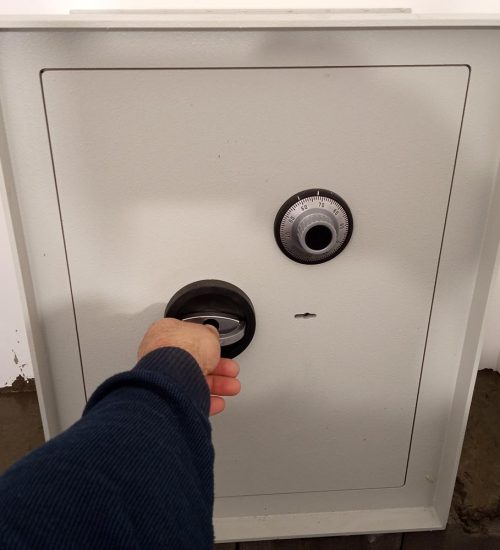
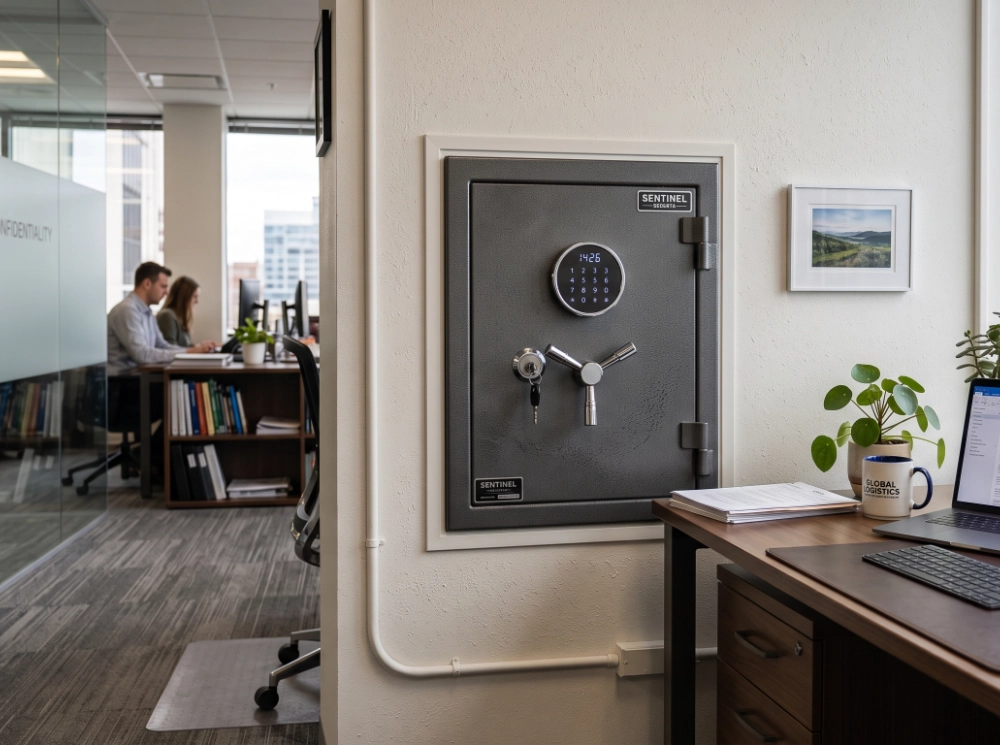
Our service covers a site assessment, supply and delivery of the safe, structural anchoring to floor or wall, full lock testing, and a handover walkthrough. For electronic and biometric locks, initial programming is included. We leave only once the safe is operational and you are confident using it.
Contact Ambassador Locksmiths by phone or through our online enquiry form. We will discuss your requirements, confirm the right safe type for your situation, and schedule a consultation or installation appointment at your property in Newcastle or the Hunter Region.
You can position and bolt down certain freestanding safes without professional help, but improper anchoring reduces the safe’s rated security level and may void the manufacturer’s warranty. Floor safes set into concrete and wall safes recessed into framing require tools and structural knowledge that make professional installation the more reliable option for most residential and all commercial applications.
We supply and install wall safes, floor safes, fire-rated safes, and electronic or biometric lock safes. The right type depends on your property, the items you are storing, and whether fire protection is a priority.
Every two to three years under normal use. If the safe is used daily, such as a cash float safe in a retail environment, an annual inspection is more appropriate. Any change in lock behaviour is a reason to book a service regardless of when the last inspection occurred.
Contact us rather than attempting to force the door. Depending on the lock type, a combination reset, battery replacement, or override procedure may be needed. Forcing a safe door can damage the bolt mechanism and increase the cost of recovery.