

Parents often worry about their children’s safety at home. Many injuries happen indoors because of unsecured furniture, unlocked doors, or lack of emergency planning. These risks can be prevented with proper home safety measures. The concern grows stronger when young children start exploring and playing independently, increasing the chance of accidents or encounters with strangers.
Families can reduce these risks by setting clear safety rules and preparing for possible emergencies. Installing reliable locks, using alarms, and teaching children what to do in urgent situations are all part of creating a safer home. The following safety tips offer simple and effective ways to protect children from hazards and strengthen home security.
1. Install Functional Alarm Systems
Home alarms play a major role in preventing accidents and break-ins. Fire detectors, smoke alarms, and carbon monoxide sensors are required under NSW safety regulations. These devices provide early warnings that help prevent serious harm. Families should test alarms monthly and replace batteries regularly to ensure they work at all times.
Security alarms also improve protection against unauthorised entry. Children should know how to use the alarm safely—such as how to activate it when alone or how to call for help in an emergency. Parents can explain the basic functions without sharing full passcodes to prevent misuse. Setting clear alarm routines helps children stay alert while keeping the system reliable.
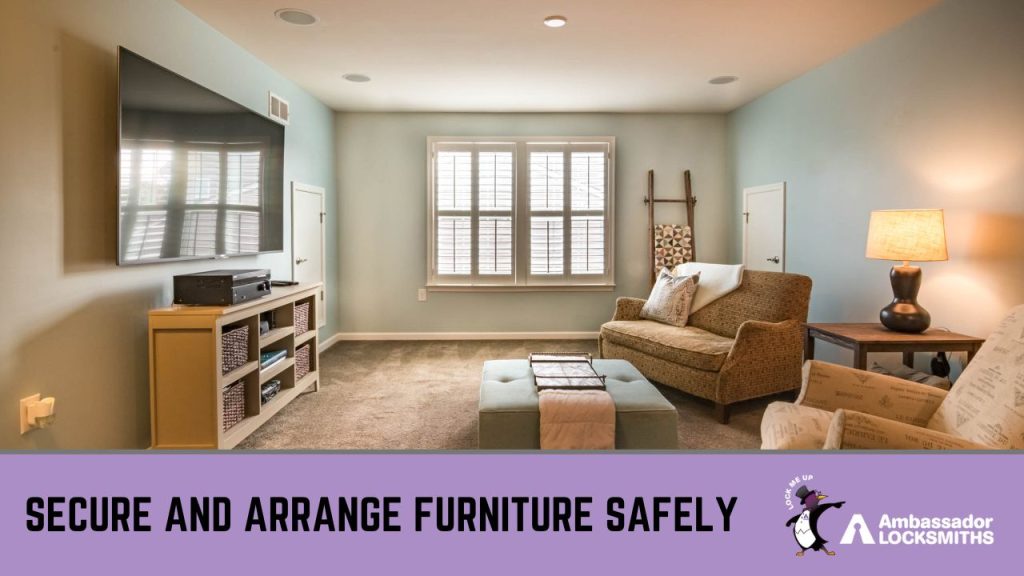
2. Secure and Arrange Furniture Safely
Unstable furniture can lead to severe injuries, especially for toddlers. Heavy items such as bookshelves or cabinets should be anchored to the wall to prevent tipping. Parents should inspect tables, chairs, and drawers for weak joints or broken edges. Move large furniture away from active play areas and remove pieces that are no longer sturdy.
Glass tables or sharp-cornered surfaces should be fitted with protective covers. Keeping walkways clear also reduces tripping hazards. Teaching children not to climb or hang onto furniture helps reinforce safety habits early. Simple adjustments like these can prevent many common household accidents.
3. Install Toddler Gates in Key Areas
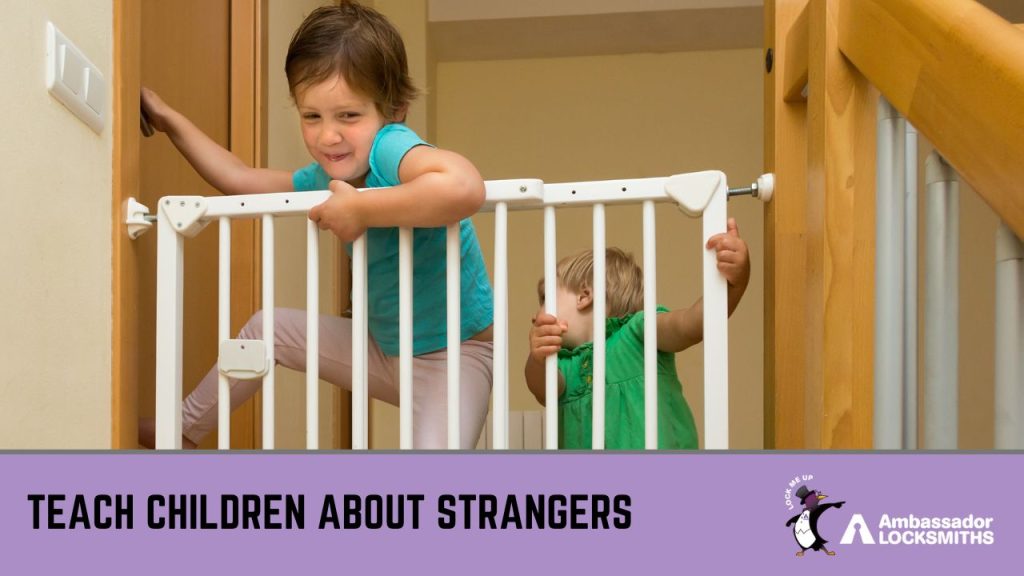
As children grow more active, they start exploring spaces that may not be safe. Toddler gates are practical barriers that help prevent falls and unsupervised access to risky areas. They are most effective when installed at staircases, kitchen entrances, and near swimming pools.
Placing gates at the top and bottom of stairs can reduce fall-related injuries. In homes with pools, additional gates beside fencing help prevent access without adult supervision. Blocking kitchen entry avoids burns or spills from appliances and cookware. Parents should ensure that gates are properly latched and regularly checked for wear. While these barriers limit movement, they offer necessary protection for toddlers still learning boundaries.
4. Teach Children About Strangers
Children who are friendly and outgoing can sometimes trust people too easily. Parents should explain that strangers are anyone they don’t know, regardless of appearance or tone. Basic safety rules include never opening the door for unknown visitors and avoiding conversations with unfamiliar people without adult permission.
Parents can use short examples or simple role-play to show what to do if approached by a stranger. Caregivers should also know who to contact if such situations occur. These lessons help children stay cautious and recognise when to seek help.
5. Prepare Children for Emergencies
Emergencies can happen without warning, from house fires and storms to slips or cuts. Teaching children how to act quickly and call for help makes a major difference. Families should keep emergency kits in easy-to-reach spots, including first aid items, flashlights, and bottled water.
Children need to know how to use a phone to contact emergency services by dialling triple zero (000) in Australia. Parents can create short practice drills so kids remember what to do in stressful moments. Keeping calm, finding a safe place, and calling for help are key steps they should repeat. When children know the plan and can recognise hazards, they respond more confidently and avoid panic during real emergencies.
6. Keep Important Contacts Visible
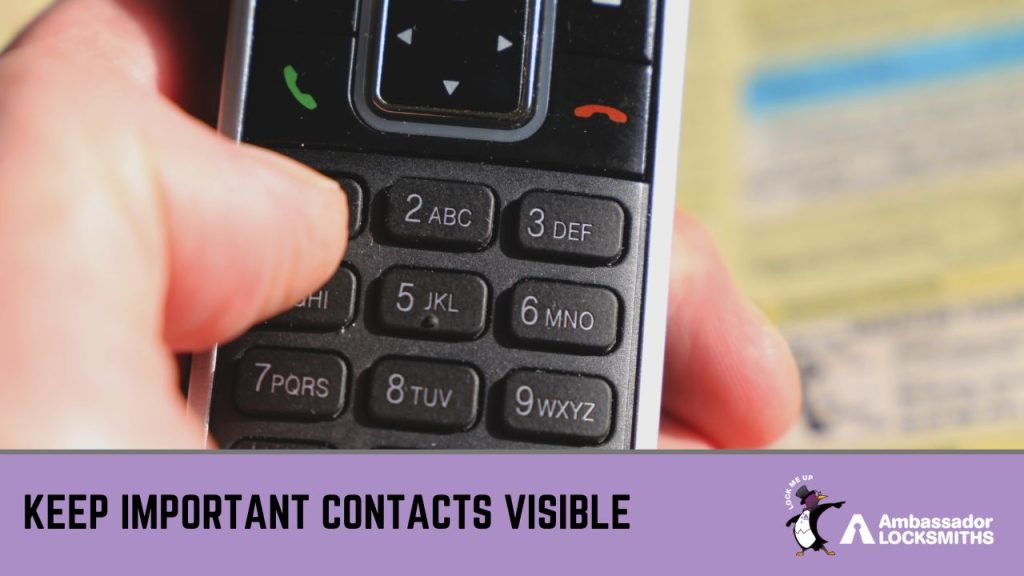
Even with precautions, there may be times when children are briefly left at home or under someone else’s care. Having clear contact information helps them act quickly when needed. Parents should post a visible list near the phone or fridge with numbers for the police, fire department, ambulance, and trusted relatives.
Add mobile numbers of parents and neighbours who can arrive quickly if something happens. It’s also helpful to include the home address, as children may forget it under pressure. Keeping these details in both written and digital form ensures quick access in any situation. Reviewing the list with children from time to time reinforces awareness and confidence.
7. Use Secure and Easy-to-Operate Locks
Strong locks are essential to keeping every entry point safe. All external doors, windows, and gates should have reliable locking systems that are easy for older children to use in emergencies. Show them how to secure doors before bed or when alone at home, without sharing spare keys or access codes. These small routines help develop lasting safety habits.
Smart and keyless systems are also practical for busy families. They remove the need for keys while still providing strong protection. Whether mechanical or digital, locks should be checked regularly to ensure smooth operation. Replacing worn or faulty locks as soon as issues appear reduces the risk of failure when security matters most.
Reliable Home Security for Local Families
We provide lock installation, upgrades, and maintenance for homes across Newcastle and Lake Macquarie. Our licensed locksmiths supply both standard and electronic options, fitted for everyday use and long-term safety. Each solution is designed to help families feel secure knowing their home is protected.
Need help improving your home’s security? Contact us today to arrange professional locksmith support.
Frequently Asked Questions
How can parents teach children to stay calm in emergencies?
The best approach is through short, regular practice sessions. Role-playing simple scenarios like calling for help or finding safe exits helps children remember what to do without fear.
What is the safest place to store cleaning products and medicines?
Keep all chemicals and medications in locked cabinets placed above child height. Use safety latches for cupboards that children can reach, especially in kitchens and bathrooms.
Are window locks necessary for upper-level rooms?
Yes. Installing secure window locks prevents accidental falls and limits access to open spaces. This is important for multi-storey homes where children play or sleep near windows.
At what age can children start using basic locks?
Most children aged six and above can learn to use simple door locks with supervision. Parents should teach proper handling and explain why doors must stay locked when inside the home.
How can parents make security drills engaging for young kids?
Turn drills into short, guided games that reward quick and calm responses. Keeping sessions light encourages children to remember key steps while reducing anxiety about emergencies.