
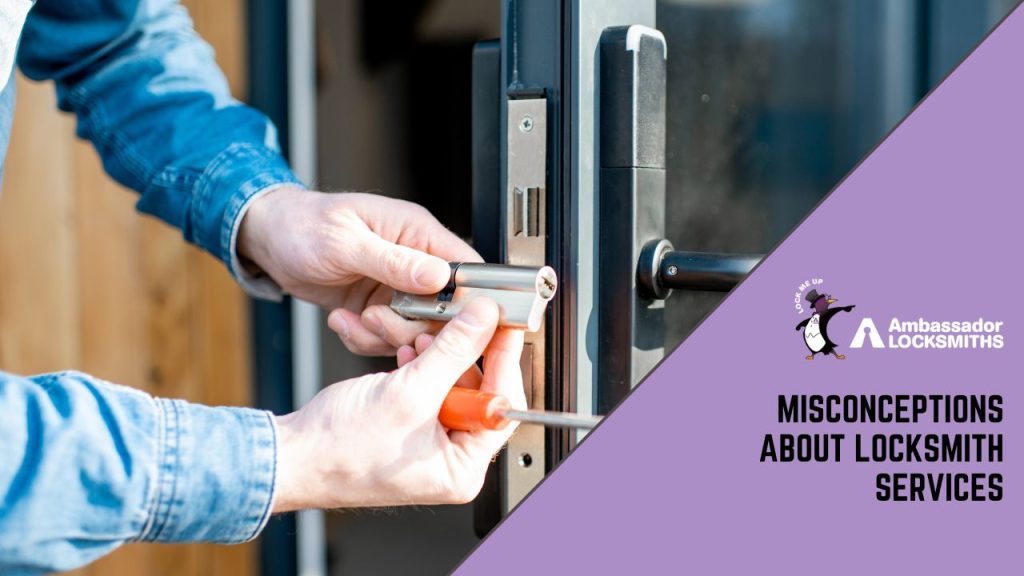
Many people underestimate what locksmiths actually do, and that limited view can lead to poor decisions when property security matters most. This guide corrects the most common misconceptions, explains how to spot and avoid locksmith scams, and shows what a qualified professional can genuinely offer beyond emergency callouts.
Misconception: Locksmiths Are Only Needed for Emergencies
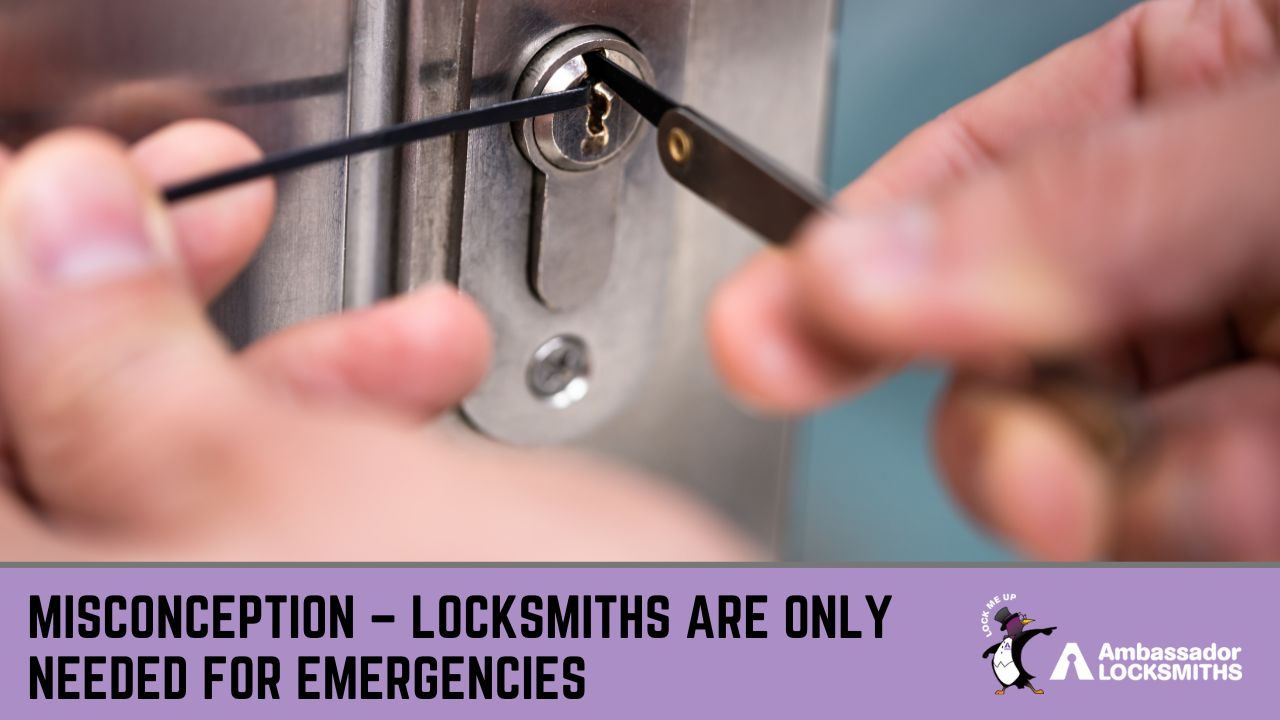
Lockouts from a home or vehicle are the situations most people associate with locksmiths, but they represent only one part of what a qualified locksmith does. The broader work includes installing new locks, rekeying existing hardware, repairing damaged mechanisms, and assessing a property’s security to identify weaknesses before a problem occurs.
Homeowners, landlords, and business operators all use locksmith services outside of emergency situations, whether that means upgrading locks before a tenancy changes, fitting higher-grade hardware after a nearby break-in, or scheduling routine maintenance to extend the life of existing locks.
Many locksmiths accept both scheduled appointments and urgent callouts, often around the clock, so there is no reason to delay non-emergency work until a crisis forces the issue.
Misconception: All Locksmiths Charge High Prices
The assumption that locksmith services are universally expensive can discourage people from getting professional help and push them toward unqualified operators who may cause more damage in the long run.
In practice, pricing varies by service type, materials, and time of day. A professional locksmith should be able to provide an accurate quote after assessing the work, confirm the price in writing before starting, and offer options such as repairing rather than replacing a lock where that is genuinely sufficient.
The real cost risk comes from operators who quote a low price over the phone and then significantly increase the charge once work is underway. Verifying credentials, reading reviews, and confirming a business registration before agreeing to anything are the most effective ways to avoid being overcharged.
Misconception: Locksmiths Can Only Work on Traditional Locks
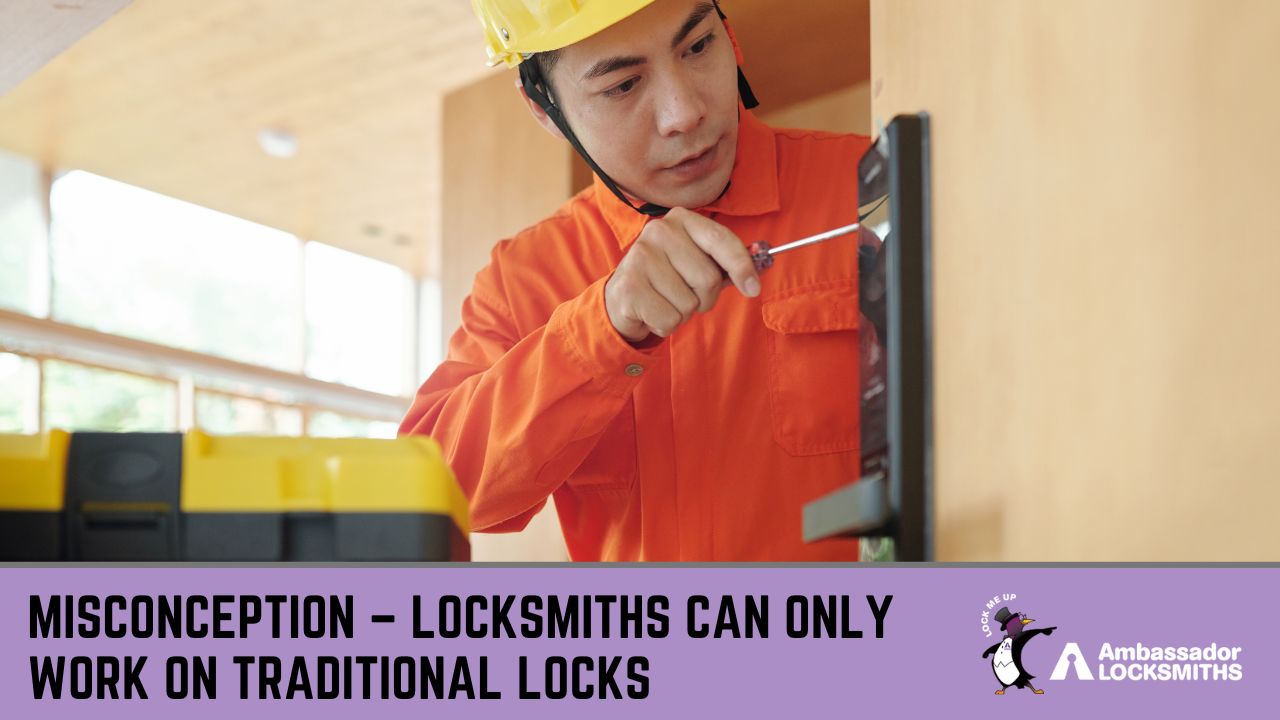
Standard mechanical locks are one part of a locksmith’s work, not the whole of it. Training in the trade covers mechanical, electronic, and biometric systems, and many locksmiths install and service smart locks, keyless entry mechanisms, and electronic access control suited to both residential and commercial properties.
The range of systems a locksmith can work on has expanded alongside changes in security technology, so a qualified locksmith can advise on appropriate upgrades for a specific property rather than defaulting to a one-size-fits-all solution.
How to Avoid Locksmith Scams
Scams in the locksmith industry follow recognisable patterns. Knowing what to look for makes them straightforward to avoid.
Warning Signs to Watch For
- A quote given over the phone without any site assessment that is far lower than competitors
- Refusal to provide a written estimate before starting work
- Demand for full cash payment upfront
- No business name, licence number, or verifiable address when asked
- A vehicle with no company branding or markings
Steps to Protect Yourself
Get a written estimate first. Before agreeing to any work, ask for a quote that lists labour, parts, and any call-out fee separately. A legitimate locksmith will not object to this.
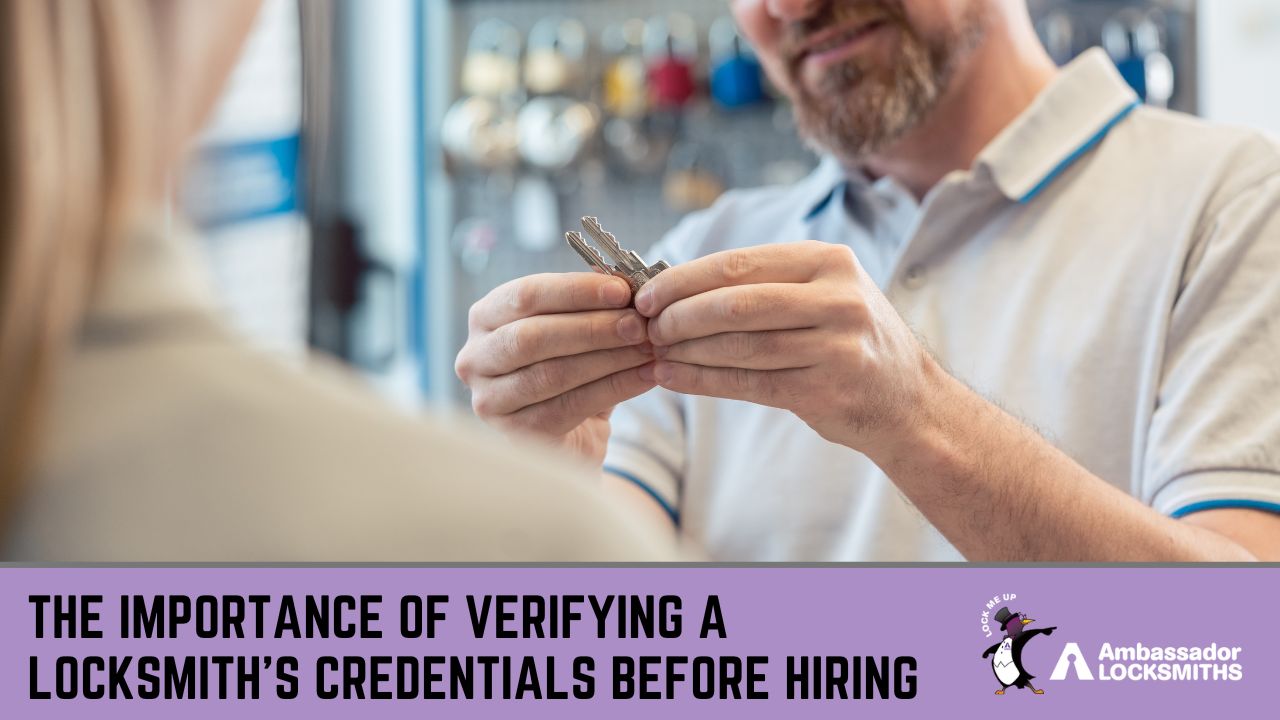
Ask for credentials. A licensed locksmith should be able to provide their licence number, business name, and proof of insurance on request. Cross-check these details against state licensing registers where available.
Check reviews and business registration. A verifiable physical address and consistent online reviews across multiple platforms are reasonable indicators of an established, accountable business.
Know what products are available. Understanding hardware options, such as deadlatches for improved access control, helps you assess whether a locksmith’s recommendations are appropriate or whether they are suggesting unnecessary upgrades.
Why Verifying a Locksmith’s Credentials Matters
Confirming credentials before hiring is the single most effective safeguard against poor workmanship, inflated costs, and security that fails when it is actually needed.
A licensed locksmith should hold current trade qualifications, carry insurance, and where applicable hold membership in a professional locksmith association. These details can be confirmed directly with the locksmith or through official trade registers. If you are unsure what to look for, a locksmith Q&A resource can help clarify what licensing looks like in practice and what questions to ask before agreeing to work.
Checking that the business name on an invoice matches the registered trading name is also worthwhile. Inconsistencies between a business card, a website, and an invoice are a warning sign, not a minor administrative issue.
A verified locksmith is more likely to use appropriate tools, complete work to a recognised standard, and stand behind the job if something is not right afterward.
Quick Comparison: Qualified Locksmith vs Unverified Operator
| Factor | Qualified Locksmith | Unverified Operator |
|---|---|---|
| Written quote before work starts | Yes, on request | Often refused or avoided |
| Licence and insurance on request | Provided without issue | Unavailable or vague |
| Registered business name | Consistent across all documents | May not match or may be absent |
| Price after work vs quoted price | Matches or explains any variation | Often higher with no clear reason |
| Warranty or callback on work | Typically offered | Rarely offered |
| Verifiable reviews | Available across multiple platforms | Sparse or only on a single site |
What a Qualified Locksmith Service Actually Covers
The following is a factual summary of service categories a qualified locksmith can provide, not a guarantee that every locksmith offers every item.
- Lock installation and rekeying for residential, commercial, and automotive applications
- Repair or replacement of damaged lock mechanisms
- Security assessments to identify and address weaknesses in entry points
- Installation and maintenance of smart locks, keyless entry, and electronic access control
- Emergency lockout assistance, often available around the clock
- Advice on hardware suited to a specific property type or compliance requirement
Contact Ambassador Locksmiths
Ambassador Locksmiths provides licensed and insured services for residential, commercial, and automotive security. Work is carried out to Australian standards and covers lock installation, rekeying, security upgrades, and modern locking systems. A 24-hour emergency lockout service is available for urgent callouts and repairs.
To book a service or make an enquiry, use the contact us page to arrange a time that suits.
Frequently Asked Questions
How quickly can a locksmith respond to an emergency?
Response times depend on location and availability. Many locksmiths offer around-the-clock service and aim to arrive within an hour for urgent calls, though this will vary with distance and demand at the time.
What information should I give when booking a locksmith?
Provide the lock type, a description of the problem, and the property address. This helps the locksmith bring the right tools and parts and gives you a more accurate quote before anyone arrives.
Can a locksmith install modern electronic security systems?
Yes. Many qualified locksmiths are trained to work with electronic locks, smart lock systems, and keyless entry alongside traditional mechanical locks.
Is it possible to get a cost estimate before work begins?
A professional locksmith should provide a written estimate listing labour, materials, and any additional charges before starting. If an operator refuses to confirm a price in writing, that is a scam warning sign.
Do I need to be present during the service?
In most cases, yes. Being present allows you to confirm the work being carried out and to receive keys or access codes once the job is complete.
What is the difference between rekeying and replacing a lock?
Rekeying changes the internal pins of an existing lock so that old keys no longer work, without replacing the hardware. Replacement fits an entirely new lock. Rekeying is typically the lower-cost option when the existing lock mechanism is in good condition.