
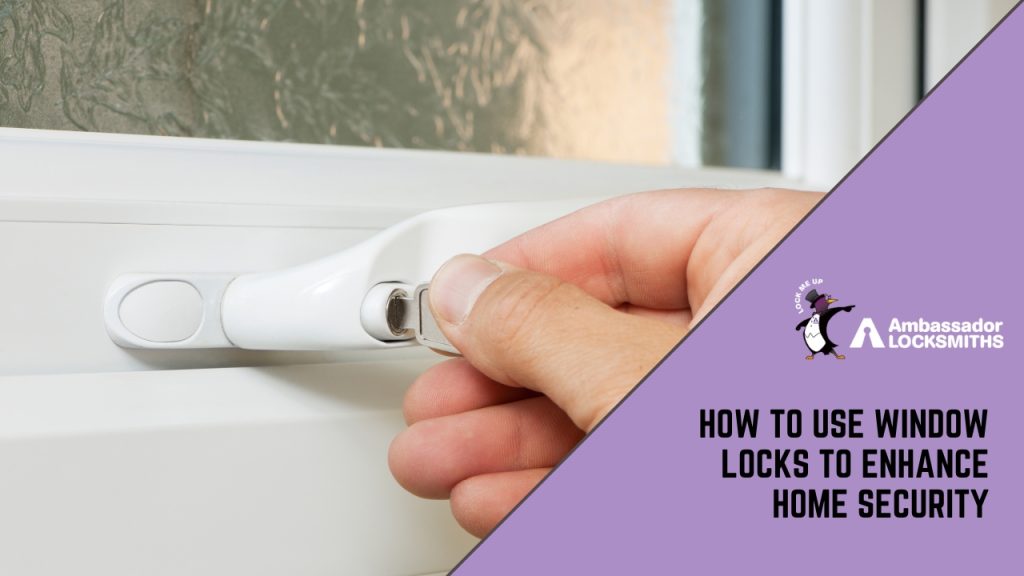
Window locks improve home security by preventing forced entry and keeping each frame secure. When fitted and used properly, they make it harder for anyone to open a window from the outside.
Many break-ins occur through windows that are left unlocked or fitted with weak latches. Ground-level and older frames are more vulnerable because they can often be lifted or forced open without much effort. Once that happens, the whole property becomes exposed.
Installing and using strong window locks turns windows into effective barriers rather than access points. Different lock types suit different window styles, but they all serve the same purpose: to keep the window closed or limit its movement for better protection. Small improvements like this can make a clear difference in home safety.
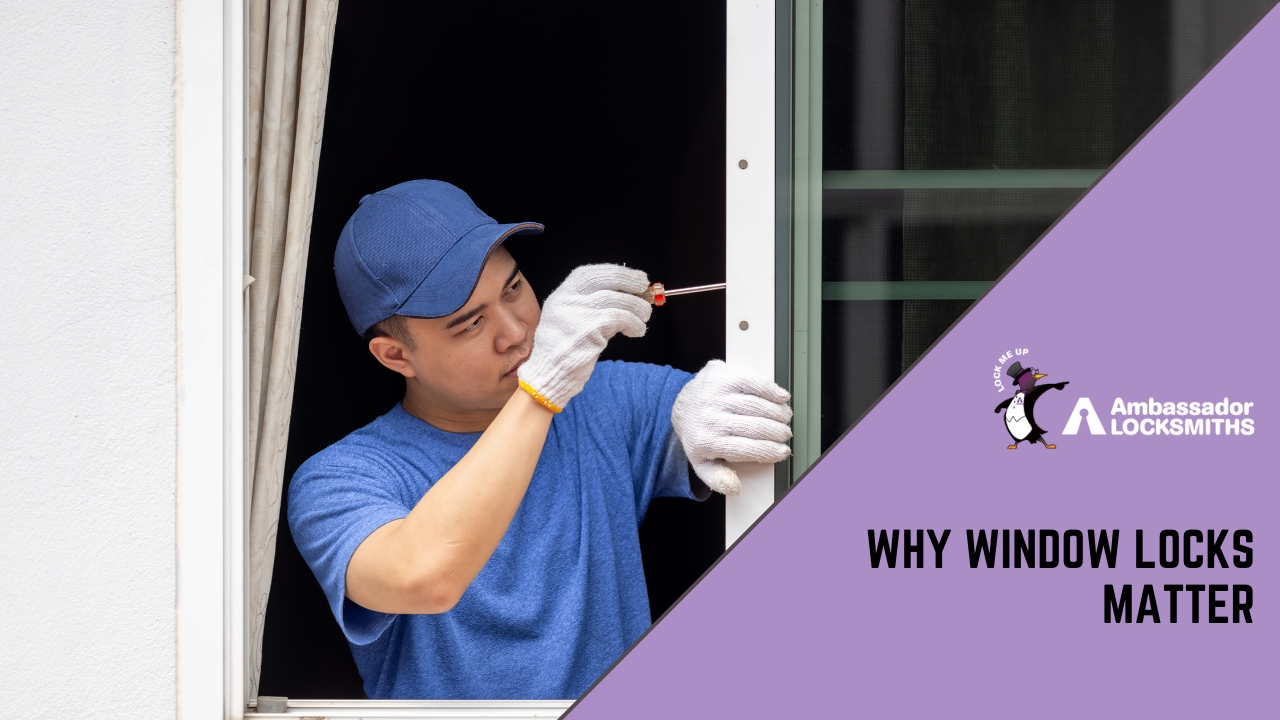
Why Window Locks Matter
A strong window lock stops forced entry by holding the frame in place and limiting movement. Even a small latch can block lifting or sliding, which makes a break-in much harder.
Modern locks also protect against accidental openings during strong wind or movement in older frames. Families benefit from the added safety of limiting how far windows can open, which helps prevent falls and injuries.
Upgrading window locks is one of the simplest ways to strengthen home security. They provide real protection without changing how windows look or function, keeping both safety and convenience in balance.
Choosing the Right Lock for Each Window
Selecting the correct lock for each window type is the most effective way to improve home security without affecting function. Each window design needs a lock that suits its frame, movement and use.
| Window Type | Recommended Lock | How It Helps |
| Sliding Windows | Track locks or push-button locks | Attach directly to the window track and stop the pane from sliding. Some versions allow partial opening for airflow. |
| Awning Windows | Chain locks or wind-out handle locks | Hold the window in place while still allowing limited ventilation. They also prevent strong wind from forcing the frame open. |
| Double-Hung Windows | Sash locks or pin locks | Secure both sashes together to prevent lifting or tampering. They also help maintain proper alignment. |
| Casement Windows | Lever or latch locks | Pull the window firmly against the frame when closed, forming a tight seal that resists forced entry. |
| Louvre Windows | Keyed louvre locks | Clamp each glass blade securely to stop movement. These are essential for older styles often found in traditional homes. |
Using locks that match the window type improves both safety and usability. Correct fitting ensures each lock performs as intended, keeping every frame secure without affecting natural light or ventilation.
Smart Habits for Safer Windows
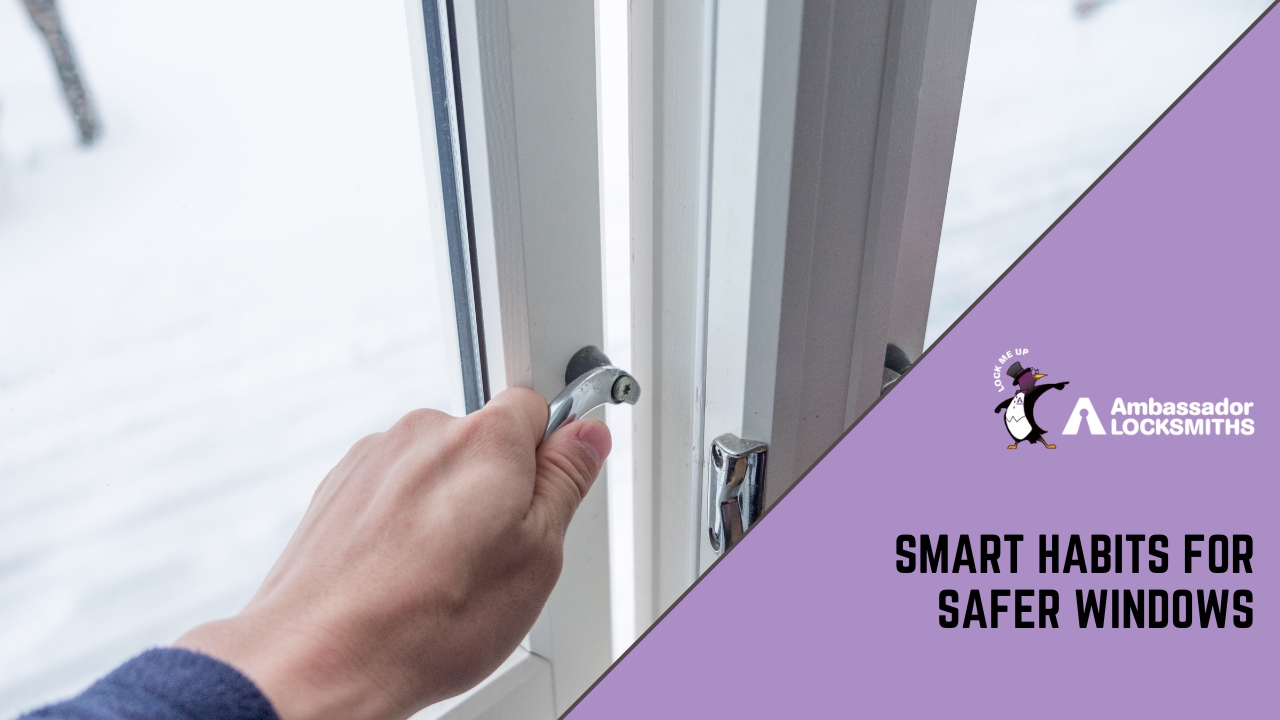
Locks are only effective when used consistently. Practical habits help maintain safety and reduce the risks that come from simple oversight.
- Lock all windows before leaving, even for short trips.
- Secure windows before bedtime when the house is quiet.
- Use lock limiters to allow airflow without opening too far.
- Check locks often and tighten loose screws when needed.
- Replace worn or damaged parts as soon as possible.
- Keep lock keys hidden but easy to reach in an emergency.
Following these habits strengthens home security and reduces the chance of entry through windows that seem less noticeable. Small actions, done regularly, make the biggest difference.
Securing Upper Floors and Small Windows
Windows on higher levels and smaller openings are often ignored during security checks. These areas can still be used for entry if left unlocked or fitted with weak latches.
Upper-floor windows should have locks that hold firmly but still allow for ventilation. Keyed locks or window restrictors are useful in these spots, especially where children or pets are present. They prevent falls and keep the opening narrow enough to block entry from outside.
Small bathroom or laundry windows also need attention. Simple push locks or keyed latches are enough to keep them secure while maintaining airflow. Even a small gap can be used for forced access if the lock is loose or missing.
Checking every window, no matter the size or height, keeps the home equally protected across all levels.
Professional Installation
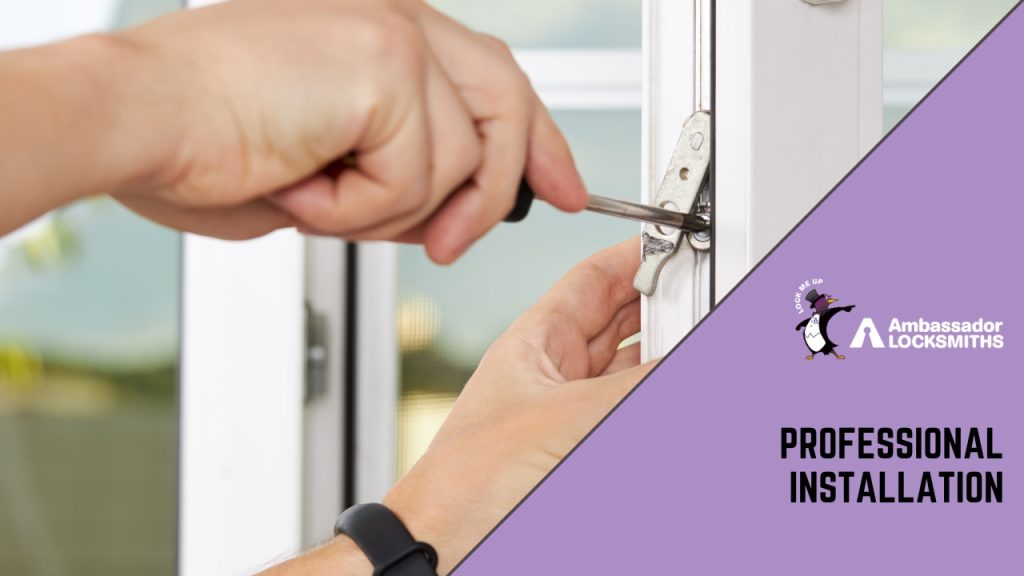
Fitting locks properly is just as important as choosing the right type. A secure lock loses its value if it isn’t aligned or tightened correctly. Professional installation ensures each lock works as intended and meets safety standards.
Locksmiths have the tools and experience to handle different window materials, such as timber, aluminium and uPVC. They can also identify weak points that might not be visible during a quick check. Getting the job done right the first time prevents future problems and keeps the window frame in good condition.
Professional fitting also helps avoid issues with warranty coverage, as some manufacturers require certified installation. It’s a simple step that supports long-term reliability and peace of mind.
Keeping Windows Secure with the Right Support
Window locks are most effective when matched with the right design and installed correctly. Using reliable products and professional fitting provides lasting security and smooth operation.
Homeowners can view the full range of window locks designed for common Australian window types. Each lock is selected for strength, reliability and ease of use.
For expert fitting or on-site advice, contact us at Ambassador Locksmiths for professional installation and support from qualified locksmiths..
Frequently Asked Questions
Do window locks work on all window types?
Most windows can be fitted with a suitable lock. Options are available for sliding, awning, double-hung and louvre frames, ensuring each style can be secured effectively.
Can new locks be added to older windows?
Yes. Locksmiths can recommend locks that fit existing frames and materials, even on older windows. The key is to choose a model that aligns with the frame design.
Are window locks child-safe?
Many locks include restrictor features that limit how far a window can open. This helps prevent falls and adds safety for homes with children or pets.
How often should window locks be checked?
Inspect locks a few times a year to make sure they engage properly and haven’t loosened with use. Early checks help prevent wear or malfunction.
What is the best way to improve window security?
Combine strong locks with consistent habits, such as locking all windows before leaving the house or at night, to reduce the chance of unauthorised entry.